Gender Education in the Mediterranean
Youth work for gender awareness in the Euro-Mediterranean context. A two-year project to promote gender equity through non-formal education and intercultural methods.
The Project
PHOENIX is a bridge between different Mediterranean cultures to build gender equity together
Lunaria has always been committed to promoting gender equity, and since 2012 has been doing so through volunteer camps, exchanges and trainings. Over the past 13 years, our international Capacity Building projects supported by Erasmus+ have allowed us to involve many young people and youth workers, and to collaborate with many local organizations from around the world.
We collaborated in Jambo with East Africa, in Pandora’s Box with Latin and Central America, in Staged! with Southeast Asia and in GAGA with all known realities in Asia, Africa and America.
From 2024 to 2025 with the PHOENIX project we finally collaborated with social organizations from some Mediterranean countries.
Non-Formal Education
Promote gender equity in Mediterranean educational settings through intercultural methods and active participation.
Capacity Building
Train youth workers and educators with concrete tools to raise awareness about gender equity in their communities.
Project Outputs
Research, toolkits and free materials for youth workers, educators and facilitators
Research
General Synthesis Report
Complete Synthesis
General synthesis report that collects and synthesizes the results of the diagnostic research conducted in the four partner countries.
Download General ReportCountry Report
Italy
Synthesis of research results on training needs regarding gender issues in Italy.
Download Italy ReportCountry Report
Spain
Synthesis of research results on training needs regarding gender issues in Spain.
Download Spain ReportCountry Report
Jordan
Synthesis of research results on training needs regarding gender issues in Jordan.
Download Jordan ReportCountry Report
Morocco
Synthesis of research results on training needs regarding gender issues in Morocco.
Download Morocco ReportToolkits & Curricula
ITC 1 – Diagnostic
Questionnaire & Analysis
Complete diagnostic questionnaires and analysis of results on training needs in the four partner countries.
Download ITC 1ITC 2 – Pedagogical Approach
First Draft Workshops
The pedagogical approach and educational workshops on gender issues emerging from the diagnostic.
Download ITC 2ITC 3 – Methodological Curricula
6 Final Workshops
Complete methodological curricula with 6 ready-to-use final workshops on: art, gender violence, media, migrant women, political engagement, health and rights.
Download ITC 3Presentation
Project Presentation
Complete Overview
Detailed presentation with complete explanation of the PHOENIX project, objectives, methodologies and results.
Download PresentationThe 6 Workshops
Topics selected based on diagnostic results to work concretely on gender equity
Art as a Tool for Activism
Gender-Based Violence
Media and Gender
Migrant Women
Political Engagement
Health & Reproductive/Sexual Rights
The Project Journey
Two years of training, research, experimentation and evaluation through international meetings
Transnational Meeting
First coordinator meeting to build a common foundation, define strategies, coordinate national teams and manage the project.
First Training Course
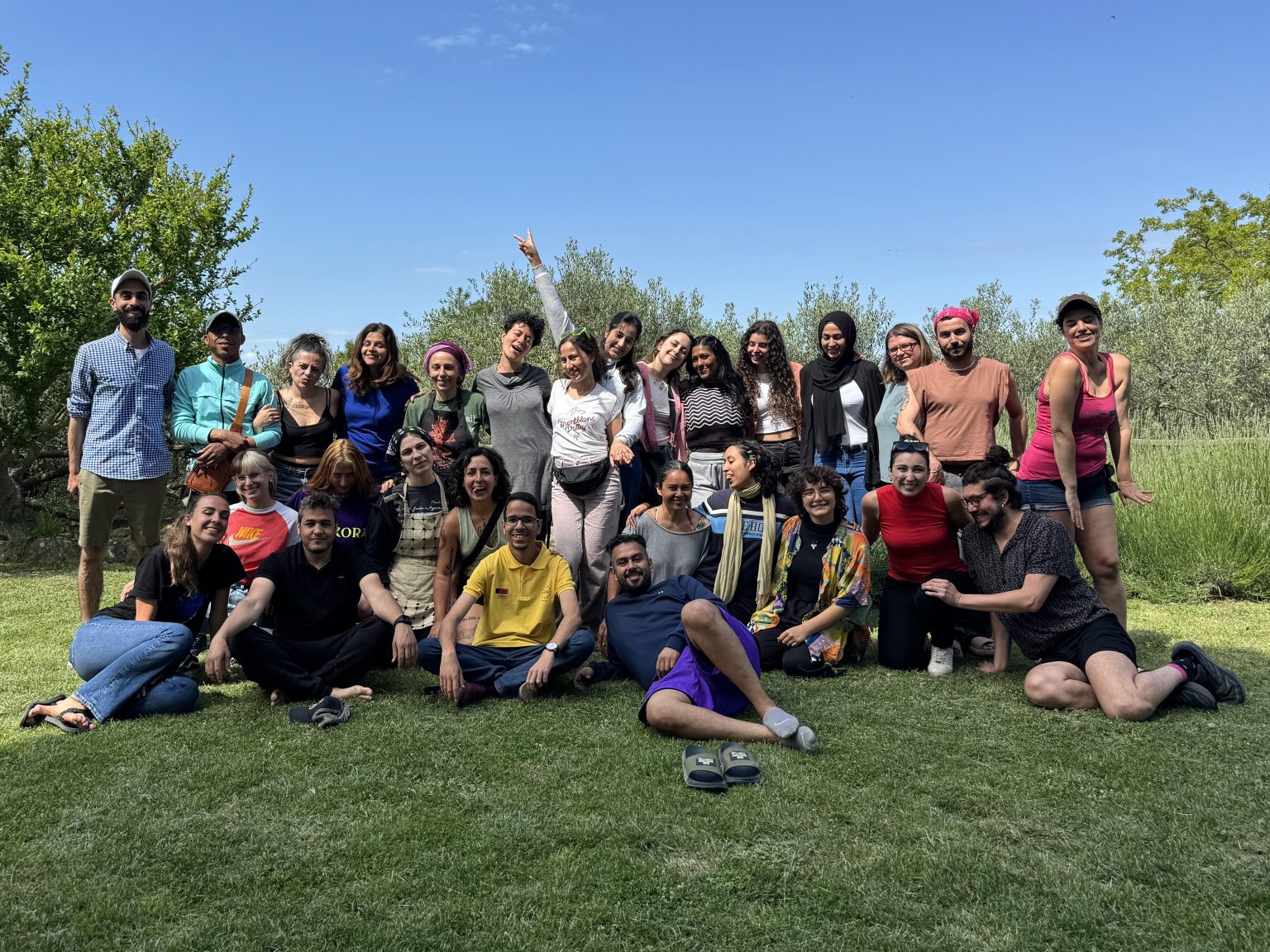
Intercultural training at “La Buona Terra” (May 21-29). Youth workers and educators from the four countries co-created diagnostic questionnaires to collect information on training needs.
- Creation of questionnaires for professional educational figures
- Questionnaire dedicated to young people on gender identity topics
- Definition of data collection strategies
Research Phase
Each partner organization collected data in their country through questionnaires. The results were processed and synthesized in the word cloud and Toolkit #1.
Second Training Course
Based on the diagnostic results, the group defined the pedagogical approach and created six educational workshops on the topics that emerged as priorities.
- Definition of shared pedagogical approach
- Creation of 6 interactive workshops
- Preparation for local experimentation
Local Experimentation
The workshops were tested in various local youth settings. In Lazio we collaborated with community centers such as “Batti Il Tuo Tempo Evolution” and “Pontedicontro aps”.
- Testing workshops with young people
- Collecting feedback and suggestions
- Adaptations to local contexts
Third Training Course
Final evaluation of the tested workshops and revision of the pedagogical approach. Building common definitions on key concepts and finalization of Toolkit #2.
- Discussion on key definitions (gender, violence, empowerment, intersectionality)
- Workshop revision and improvement
- Mutual testing of activities among facilitators
- Finalization of materials
Final Meeting
Last transnational meeting (November 12-15) to evaluate the social impact of the project on organizations, local realities and participants.
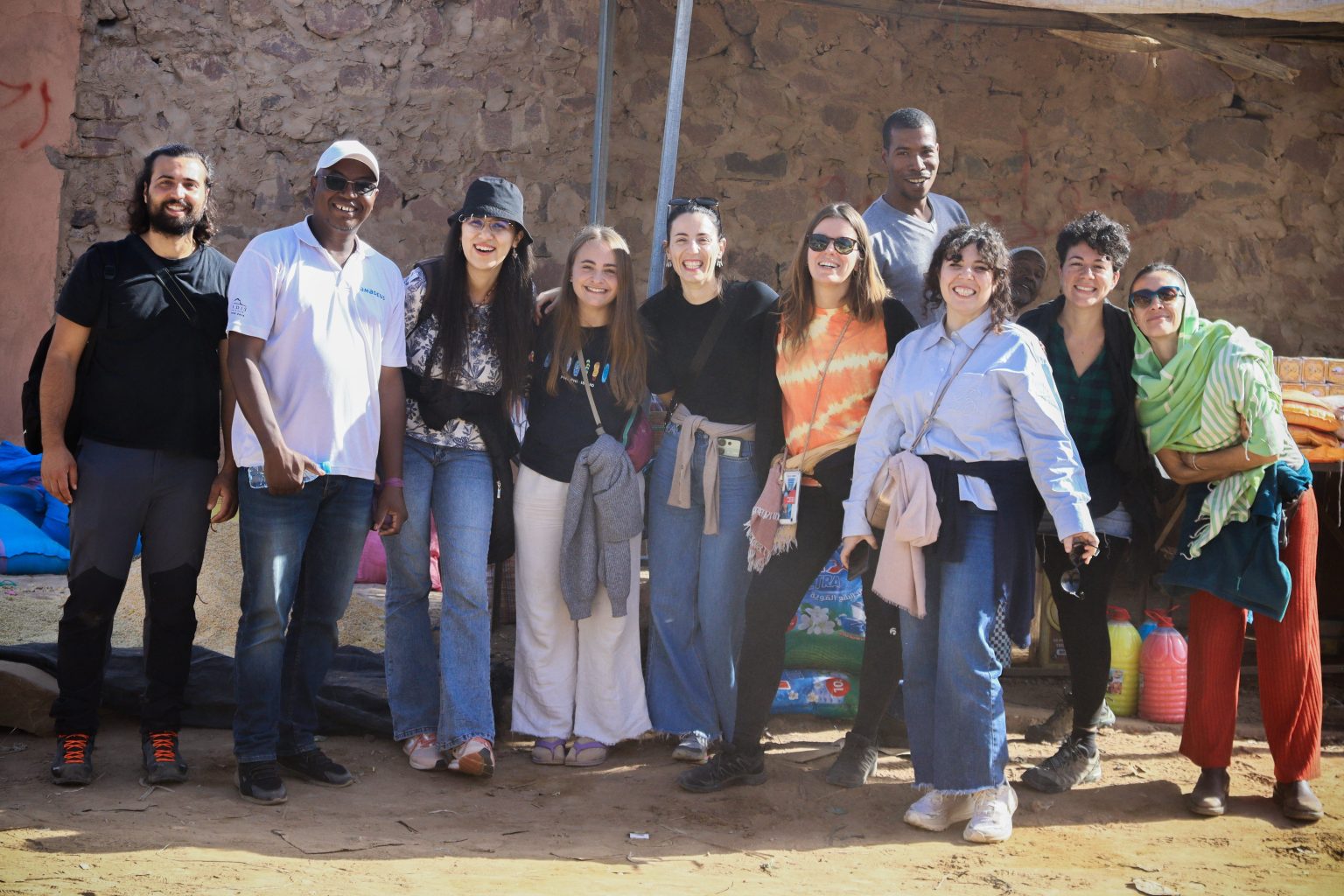
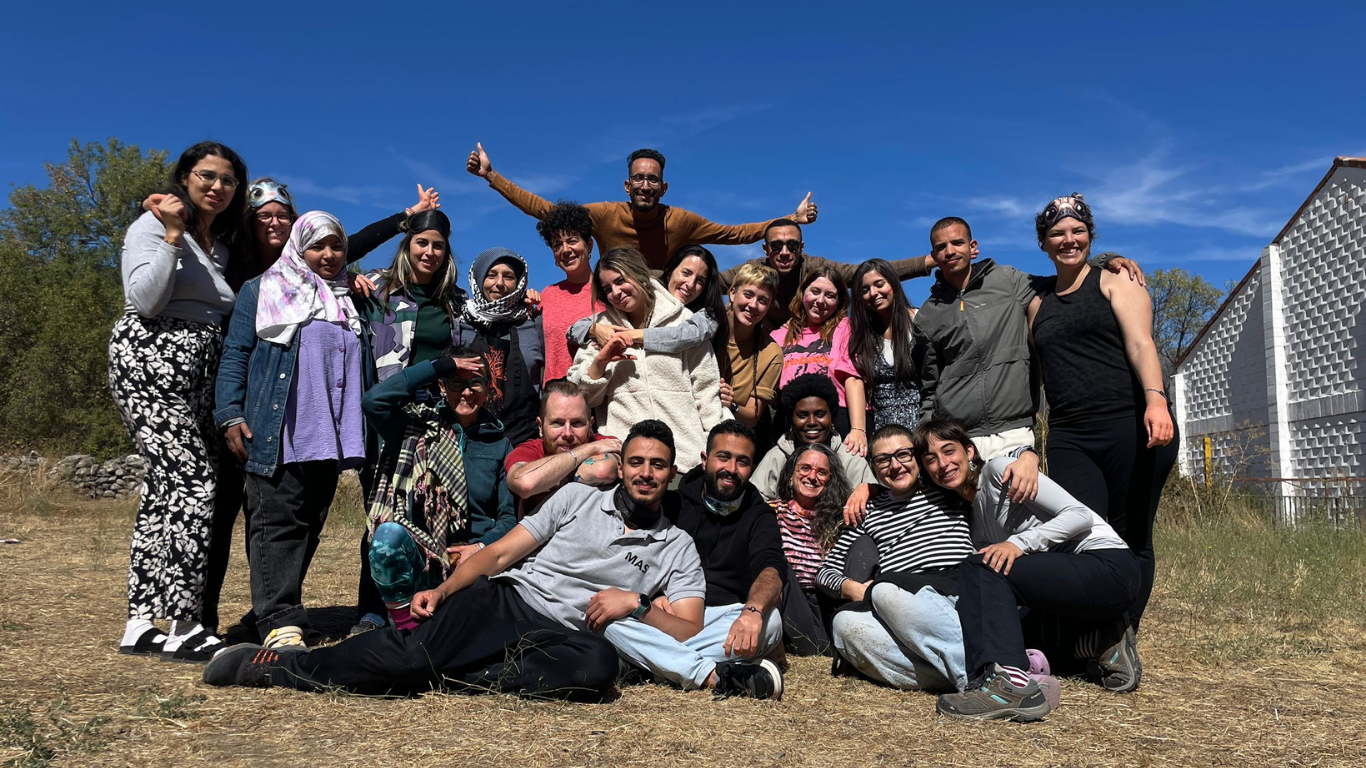
The Project in Images
Moments from international trainings and local experimentation
Project Partners
Four organizations from the Mediterranean united for gender equity
Lunaria APS
Italy
AGDZ
Morocco
Jordan Youth Innovation Forum
Jordan
Otra Escuela
Spain
Project Impact
The project has had a profound social impact on partner organizations, local realities we collaborated with, but especially on participants who declared to be more open to discussion on gender issues after participating in local activities and on youth workers who enriched their repertoire of educational skills and tools.
To realize this incredible work, we thank ALA aps association, Il Pungiglione cooperative, Il Mondo In Una Stanza association, ARCI Solidarietà cooperative and all associations active in Jordan, Morocco and Spain for involving their educators in this international training.
The project is finished, but our commitment to gender equity and social justice will not end here, especially because this action has brought many new ideas… that we hope to give birth to very soon!
Want to Use Our Materials?
All PHOENIX project outputs are free and can be adapted by youth workers and facilitators according to the needs of their own context and group.
Download Research & ToolkitsFor more information about the project or future collaborations:
Funded by the European Union. Views and opinions expressed are however those of the author(s) only and do not necessarily reflect those of the European Union or the European Education and Culture Executive Agency (EACEA). Neither the European Union nor EACEA can be held responsible for them.